Jeremy Konyndyk — humanitarian aid, Gaza, and political responsibility
Our exclusive conversation with Jeremy Konyndyk, president of Refugees International, exploring the complexities of humanitarian aid, the human cost of political decisions, and why crises like the war in Gaza persist despite global intervention.
Key points from our conversation:
Aid vs. Politics
What inspired us to run this interview was reading Linda Polman’s Crisis Caravan, which explores how humanitarian aid can sometimes perpetuate conflict. Speaking with Jeremy Konyndyk challenged common assumptions, showing that humanitarian organizations do not prolong wars — instead, they work within systems often shaped by politics, funding, and state neglect. It became clear how easily the public can misunderstand the delicate role of aid in crisis zones.Limits of Humanitarian Action
It was striking to hear how structural constraints — restricted access, political interference, and limited funding — limit the reach and effectiveness of NGOs. Understanding these pressures made the human stories behind the headlines even more urgent: real people suffering while aid workers navigate complex systems.
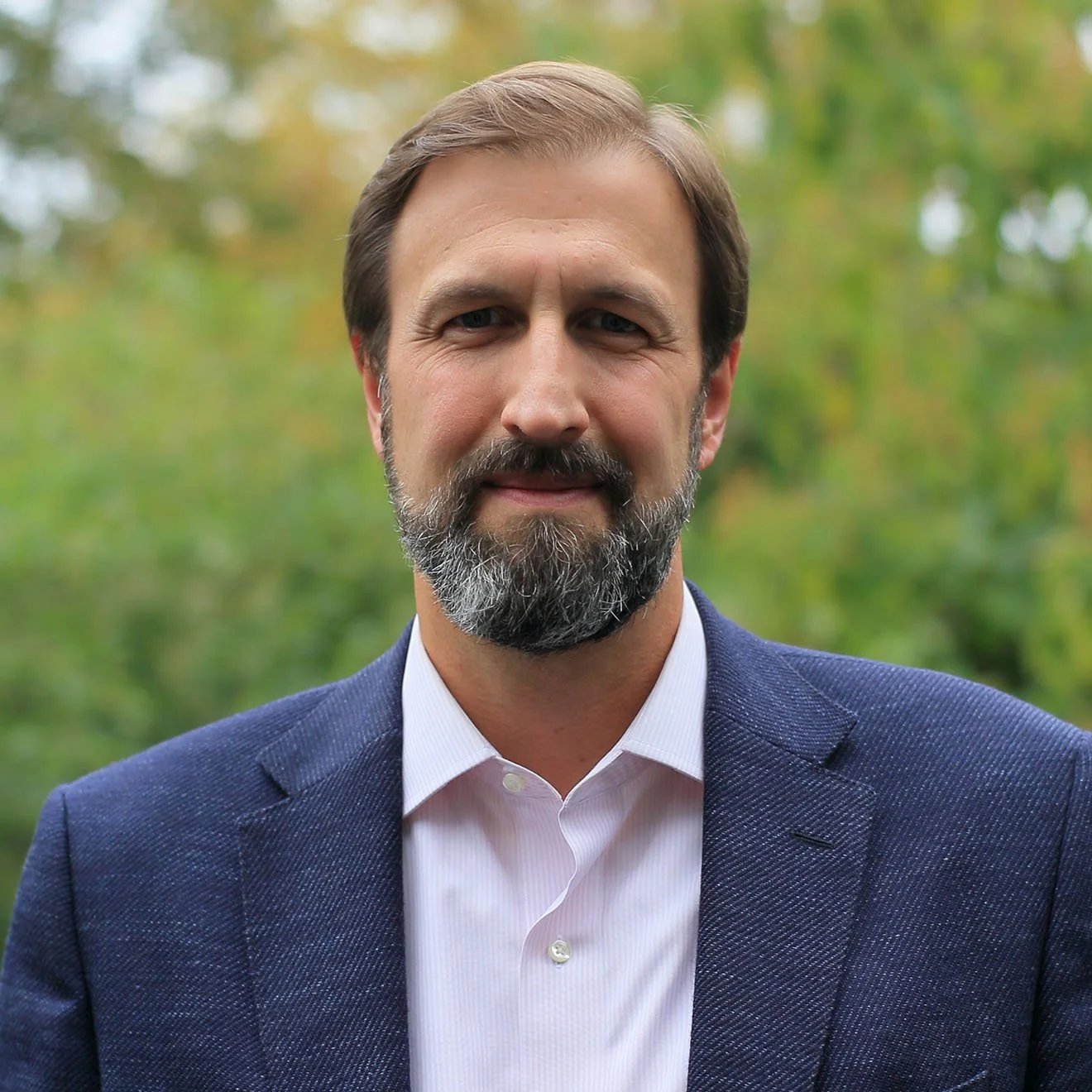
Jeremy Konyndyk:
It is not humanitarian organizations that decide whether a war continues or ends. They appear where governments have abandoned their citizens. If all NGOs disappeared, it would not mean that states would suddenly take care of people.
Government Responsibility
The conversation underscored one central point: humanitarian actors respond to crises created by state failure. Wars and humanitarian emergencies are not caused by aid organizations, but by governments that abandon or mismanage their citizens. This distinction was a moving reminder of the enormous human cost when responsibility is deferred.
Accountability and Power
Perhaps the most sobering insight is how military and political decisions ultimately shape the lives of civilians, often outweighing humanitarian influence. This reinforced the importance of advocacy, rigorous reporting, and public awareness — tools that can help hold those in power accountable for the consequences of their actions.
Authors: Jane Knap, Joanna Rubin - Sobolewska